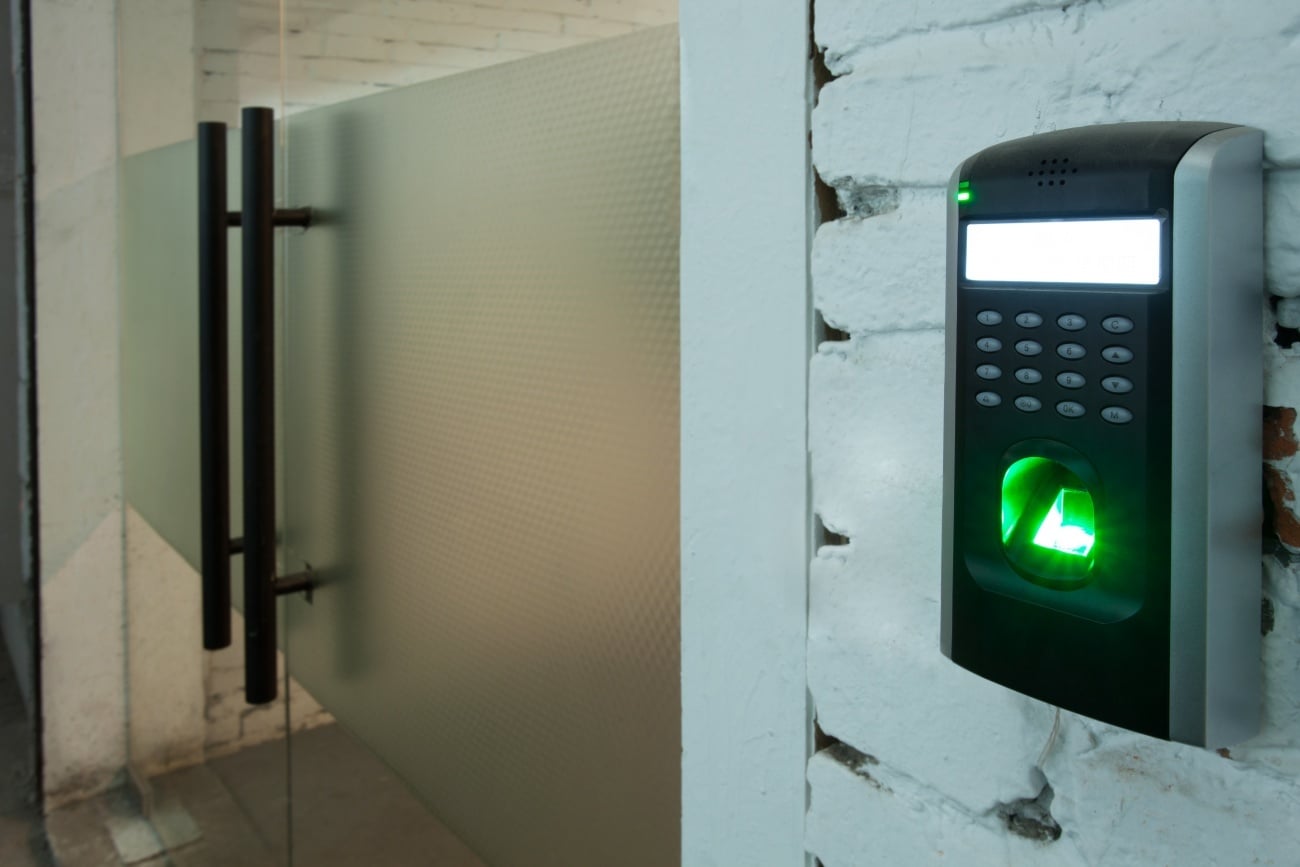
Autonomous security includes connected systems that can go beyond identifying threats. They can analyze activity and take rapid, predefined actions.
For years, cybersecurity has operated on a fairly simple model: something happens, an alert goes off and a human decides what to do next. AI is changing that model. We are moving into the era of autonomous security—systems that can go beyond identifying threats; they can analyze activity and take rapid, predefined actions, such as isolating potential threats, while still relying on human oversight to investigate root causes and guide the broader response.
As buildings become high-tech, transactions become more digital. And as AI becomes embedded in everything from property management to access control, the question is no longer: “Is our technology secure?” The better question might be: “Can our technology defend itself?”
The Move From Smart Buildings to Autonomous Buildings
Commercial buildings already contain many connected systems and devices: cameras, elevators, HVAC systems, access controls, lighting, environmental sensors, parking systems, energy management platforms and more. Multifamily properties are moving in the same direction. Smart locks, connected thermostats, video doorbells, property management platforms and resident apps are becoming part of the normal experience. We call these “smart buildings,” but most still depend heavily on people to recognize and respond when something goes wrong. Autonomous security doesn’t remove the need for human oversight; rather, it can help detect and respond to potential threats more quickly, while keeping people in the loop.
Autonomous security can accelerate that process. For example: imagine an AI security system that identifies a building access credential is being used in Chicago at 9:02 a.m. and then again hundreds of miles away just a few minutes later. Instead of simply generating an alert for someone to investigate later, the system recognizes the abnormal behavior, automatically temporarily suspends the credential, requires additional authentication, preserves the relevant logs and notifies the security team.
All of that could happen in seconds. And when it comes to cybersecurity and real estate, that speed matters because digital systems are increasingly controlling access to physical spaces and physical security.
AI Is Changing the Threat Landscape
Scammers are using AI as well. Generative AI can make phishing emails look more convincing. Deepfake technology can impersonate executives, clients, vendors and even family members. AI-powered tools can automate reconnaissance and search for vulnerabilities faster than a person ever could. (For additional guidance on protecting real estate businesses and transactions from cyber and data security threats, visit NAR’s Data Privacy & Security resources.)
Real estate can present attractive targets for fraud because transactions often involve large sums of money and rely heavily on email, documents, relationships and trust.
Think about the typical transaction. Agents communicate with clients. Clients communicate with lenders. Attorneys communicate with title companies. Property managers communicate with vendors. Wire instructions change hands. Documents are signed electronically. There are dozens of opportunities for someone or something to impersonate a trusted participant. In that type of environment, asking employees to simply “be more careful” is not a cybersecurity strategy. Technology has to help carry the load.
Make Building Trust Part of the Process
One of the significant questions AI raises for real estate is how organizations establish and verify trust.
For decades, much of the real estate business has operated on familiarity.
- “I recognize that email address.”
- “That sounds like my client.”
- “I know that vendor.”
- “I’ve worked with that person before.”
However, deepfakes, synthetic identities, AI-generated voices and sophisticated phishing attacks challenge every one of those assumptions.
As such, in the age of AI, trust must become a process, not a feeling. That could mean stronger identity verification before changing payment instructions. It could mean systems automatically flagging unusual transaction behavior or AI monitoring property management networks for devices behaving outside their normal patterns. By adding in more technology to your defenses, the goal isn’t to remove people from the equation; it’s to make sure people aren’t the only line of defense.
In an era when consumers are raising more questions about AI, data privacy, fraud and digital identity, trust could become a meaningful differentiator. Before adopting any autonomous security solution, though, organizations should understand what the system is designed to do, what actions it can take autonomously, where human oversight is required, and how the vendor validates its performance and security claims. Security can become part of the customer experience.
But Who Watches the AI?
Of course, autonomous security introduces its own risks. If we give AI the ability to automatically block accounts, deny building access, isolate systems or shut down connected devices, we also have to think carefully about governance.
What Happens When the AI Gets It Wrong?
Imagine a legitimate resident being locked out of an apartment building because an algorithm incorrectly identifies their behavior as suspicious. Or a building management system shuts down equipment because it misinterprets normal activity as a cyberattack. Autonomy without governance can create a different kind of risk.
Organizations will need clear rules defining what AI can decide on its own, what requires human approval and when a human can override the system. Don’t confuse automation with accountability. AI may make the decision, but people and organizations will still be responsible for the consequences.
Certainly, autonomous security is offering new ways to strengthen protections for buildings, transactions, businesses and clients. But getting there will require strong data practices, transparency and human oversight. And for real estate leaders, the challenge will be keeping their understanding, governance and risk-management practices current as the technology rapidly evolves.
After all, the smartest building in the world isn’t very secure if precautions weren’t taken to protect it.